Routeless — Marketplaces & Directories

Marketplaces built for trust, transactions, and operations.

Search, listings, matching, routing, and payments — the systems that make a platform useful to both sides, built and operated as one product.

Marketplace builds are scoped and priced in writing before work begins.

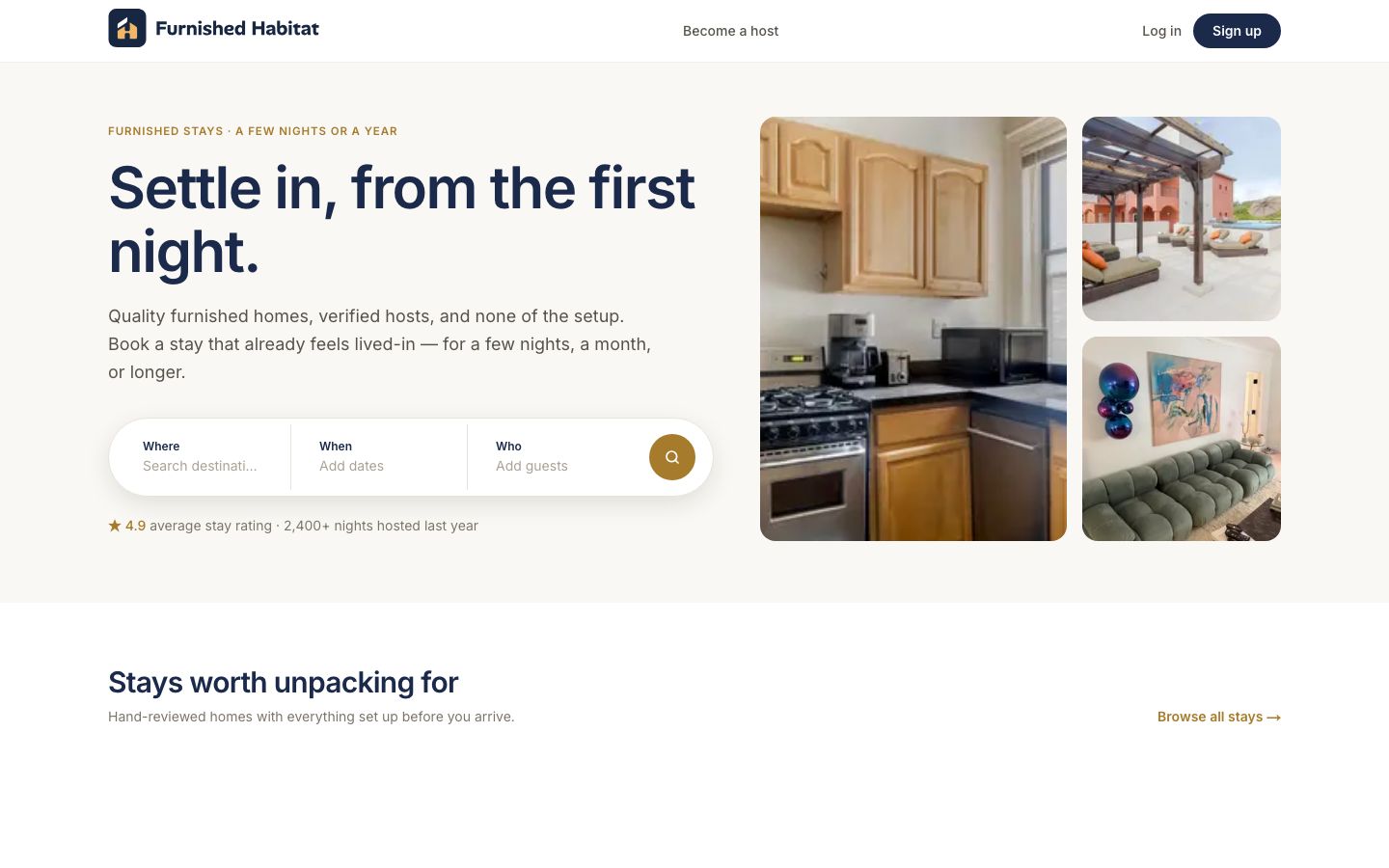
Furnished Habitat marketplace
Related production exampleFurnished Habitat
What a platform build covers

Marketplaces & Directories scope and responsibilities.

A marketplace build covers discovery, trust, matching, transactions, and the operating workflows behind them.

What a platform build covers

  • Listing and inventory architecture
  • Search, filtering, and matching
  • Multi-brand and multi-market page ownership
  • Inquiry routing to the right counterpart
  • Payments and transaction flows
  • Data pipelines that keep listings current

Bring us

  • A directory idea that needs real architecture behind it
  • Two audiences that need to find each other reliably
  • A network of local brands that should share one platform
  • Listing data that has to stay fresh without manual work
Selected production work

Production examples.

Multi-sided platforms in production — a national directory, a live data marketplace, and its regional routing layer.

National directory

American Dentists

A national dental-care guide with multi-brand directory architecture: patients search by location and need, every market has one canonical page owner, and regional brands keep their local pages.

Data platform

Colombia Bound

Live median pricing across 60 neighborhoods computed from 26,000+ listings analyzed weekly, with verified listings and a bilingual partner directory on top of the data engine.

Matching & routing

Central Valley Dentists

The regional layer of the same network: patients describe what they need once and are routed to the right local office, with insurance-aware search and specialty pages.

Engagements

We review what you have and propose the smallest release that solves the stated problem.

How engagements work →
Supply, demand, trust, payment, and operations

Prove the transaction and the operation on both sides.

  1. 01Supply and demand
  2. 02Trust and matching
  3. 03Transaction
  4. 04Exceptions and support
Best fit

Bring this project when

  • A directory idea that needs real architecture behind it
  • Two audiences that need to find each other reliably
  • A network of local brands that should share one platform
  • Listing data that has to stay fresh without manual work
Not a fit

Use another path when

  • A directory with no clear transaction, referral, or operating model
  • A market with neither committed supply nor a reachable buyer group
Alternatives considered
  • Launch a curated directory before building accounts and transactions
  • Operate matching manually until repeated behavior defines the software
Timeline

A focused marketplace release commonly takes 16–28 weeks and expands in accepted stages.

Marketplace builds are scoped and priced in writing before work begins.

Calculate an MVP scope →

FAQ

Pricing, process, and ownership.

The platforms above were designed, built, and operated under one technical owner — directory architecture, matching, routing, and the data pipelines that keep them current.

Scheduled collection and validation keep the inventory current, and source context is preserved so every fact can be traced to where it came from.

It is scoped like any large build: a written scope and fixed price for the core platform, then a roadmap for expansion. The architecture, data sources, accounts, payments, and operating workflow determine the engagement.

Get a quote for Marketplaces & Directories.

Tell us what you have, what needs to change, and what the finished release must do. We will reply with the proposed scope, price, and timeline.