Routeless — Internal Tools Development

Replace fragile spreadsheets and manual handoffs with software your team owns.

Operational software for the approvals, scheduling, records, reporting, and handoffs that are too important to keep running through spreadsheets and copy-paste work.

Priced after Routeless reviews the workflow, rules, data, integrations, and operating requirements.

Related production work for internal tools development
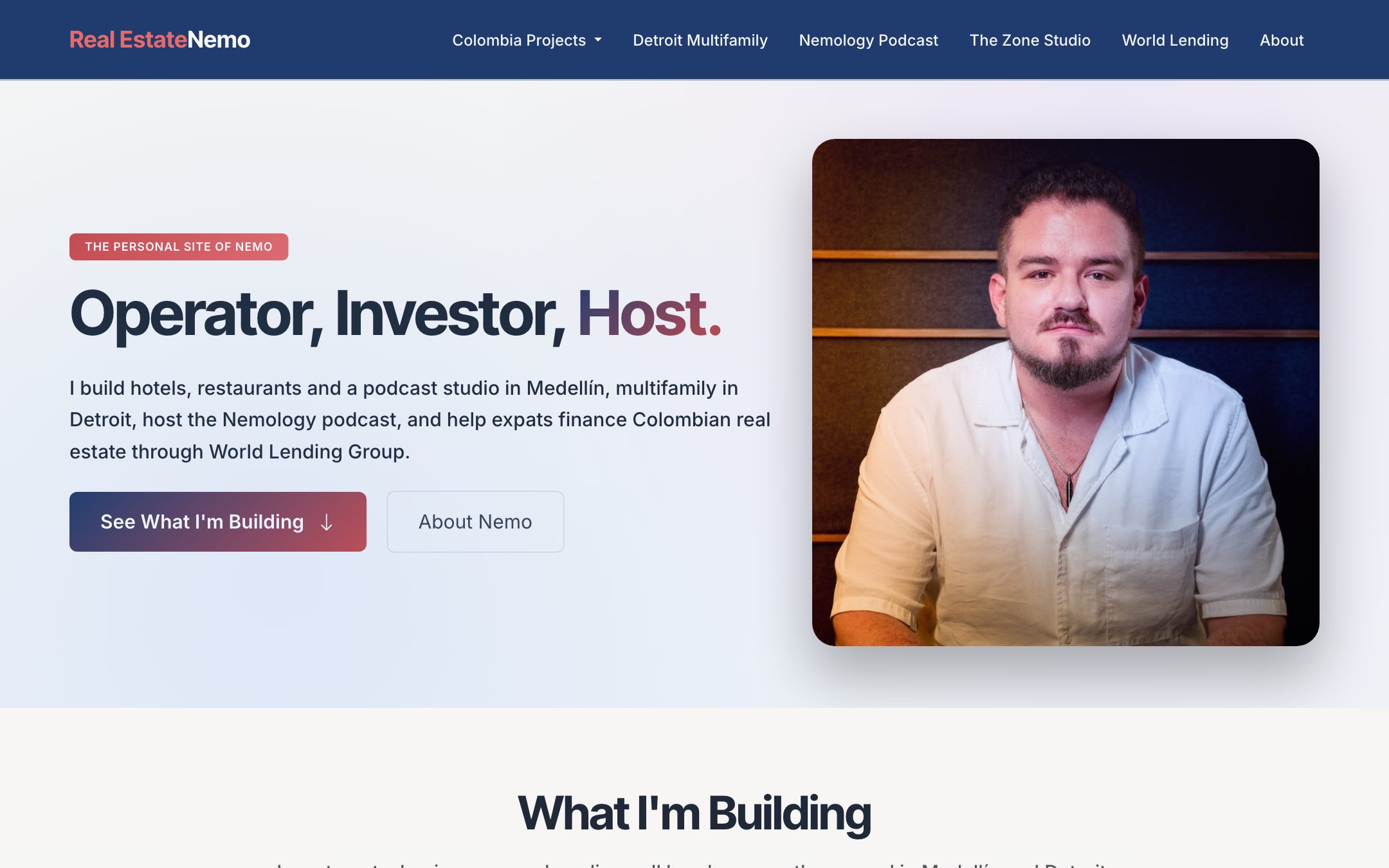
Related production exampleReal Estate Nemo
What the internal tools development release includes

A written scope and one accountable technical owner.

The release is scoped around the decisions, workflows, and production conditions that make this build different from a generic implementation.

What the internal tools development release includes

  • Workflow mapping and a documented source of truth
  • Role-based work queues, forms, approvals, and exception handling
  • Operational dashboards, search, exports, and reporting
  • Connections to the accounting, CRM, scheduling, or data systems
  • Migration and reconciliation for existing records
  • Tests, access controls, monitoring, and operating documentation

Bring us

  • A spreadsheet that has quietly become a critical system
  • Repeated rekeying between tools
  • Approvals and ownership disappearing in chat or email
  • Reporting that depends on one person rebuilding it manually
Selected production work

Work you can inspect before you decide.

Related production work is labeled by what it proves; it is not presented as an identical engagement.

Workflow & automation

Real Estate Nemo

One operating hub routing investors, borrowers, and listeners across five ventures, with automated booked-call summaries delivered over WhatsApp.

Custom system

The Exit Upgrade

A fifteen-question Exit Readiness Score with instant results, a published sample report, and a separate referral path for brokers, CPAs, and attorneys.

Education SaaS

Analytics Engineering

A complete learning product: 121 lessons, 1,598 in-browser exercises, a context-aware AI tutor, accounts, payments, and an 86-article content library.

Engagements

We recommend the smallest responsible scope after reviewing what already exists.

How engagements work →
Queue, approval, and reporting workflow

Replace invisible handoffs with one operating record.

  1. 01Capture
  2. 02Assign
  3. 03Approve
  4. 04Measure
Best fit

Bring this project when

  • A spreadsheet that has quietly become a critical system
  • Repeated rekeying between tools
  • Approvals and ownership disappearing in chat or email
  • Reporting that depends on one person rebuilding it manually
Not a fit

Use another path when

  • Automating a broken process before one owner can define it
  • Replacing a low-risk spreadsheet that already works well
Alternatives considered
  • Improve the existing tool when the problem is configuration rather than ownership
  • Automate one error-prone handoff before commissioning a full operating system
Timeline

Focused internal tools take 8–16 weeks; broader operating systems ship in defined releases.

Priced after Routeless reviews the workflow, rules, data, integrations, and operating requirements.

Plan the first software release →

FAQ

Common questions.

Priced after Routeless reviews the workflow, rules, data, integrations, and operating requirements. Every project receives a written scope, fixed price, and timeline before work begins.

Routeless documents the users, workflows, boundaries, integrations, acceptance criteria, and launch plan before the release is priced.

The client owns the code, accounts, data, and production systems. Routeless documents the build for operation or handoff.

Get a written Internal Tools Development scope.

Send what exists, what needs to change, and the constraints that matter. Routeless will define the smallest responsible scope for Internal Tools Development and remain accountable through production.